_edi.jpg)
Answering Common Questions About Baklava

Updated: Oct 5, 2025

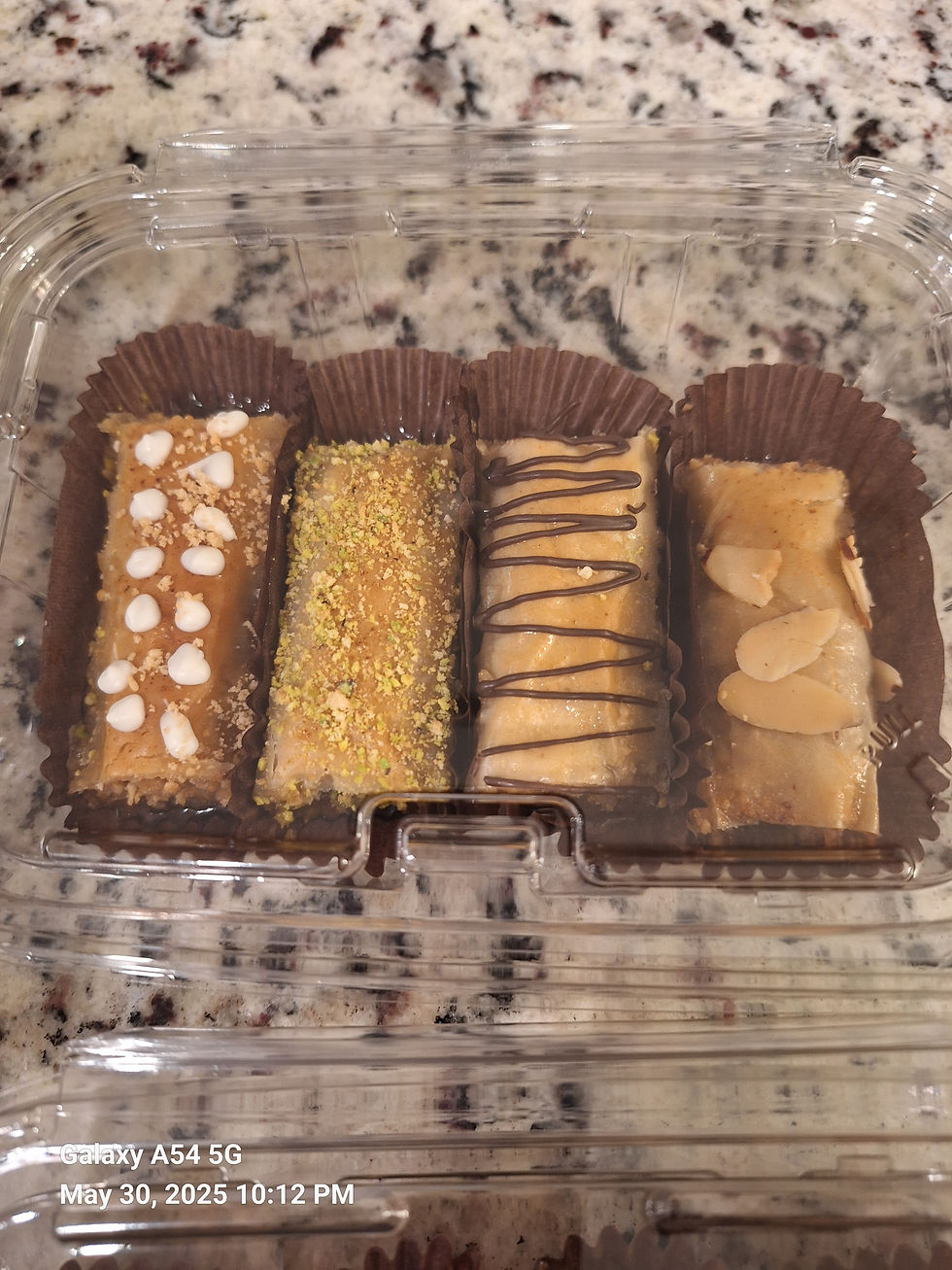
Baklava is a delectable dessert that has captured the hearts of many around the world. Known for its flaky layers, rich nut fillings, and sweet syrup, this indulgent treat carries a long culinary history. However, many people have questions about baklava, including its ingredients, origins, and storage methods. In this blog post, we will address some common baklava questions to help you appreciate this sweet delicacy even more.
Common Baklava Questions
What is Baklava Made Of?
Baklava is primarily made from four main ingredients: phyllo dough, nuts, sweeteners, and butter.
Phyllo Dough: This thin pastry is layered to create the characteristic flaky texture. It is essential to handle it carefully, as it can dry out quickly. Thaw phyllo dough in the refrigerator before use to maintain its freshness.
Nuts: The most common nuts used for baklava are walnuts, pistachios, and almonds. Each nut brings its unique flavor and texture. For instance, pistachios offer a rich, buttery taste, while walnuts provide a robust crunch.
Sweeteners: Typically, baklava is sweetened with sugar and flavored with honey. The syrup often includes cinnamon or lemon juice for added depth.
Butter: Melted butter is brushed between the layers of phyllo dough to enhance the flavor and contribute to the golden-brown color as it bakes. Using high-quality butter will elevate the overall taste of your baklava.
Where Did Baklava Originate?
Baklava has a rich history that dates back centuries, with debates surrounding its true origins. It is widely believed to have originated in the Middle East, with the Ottoman Empire playing a significant role in its development. Countries like Turkey, Greece, and Lebanon have all laid claims to baklava’s birthright, each adding their unique twist to the traditional recipe.
Historical evidence suggests that similar pastry dishes existed in ancient Mesopotamia, but baklava as we know it likely evolved through various cultural influences. Today, baklava is enjoyed globally, but each region has its special methods and ingredient variations.

How to Store Baklava and Keep It Crispy?
Storing baklava correctly is crucial to maintain its desired texture and flavor. Proper storage practices can keep your baklava crispy and delicious for days.
Cool Completely: Before storing, ensure the baklava has cooled completely. This prevents condensation from forming, which can make the layers soggy.
Airtight Container: Place the baklava in an airtight container. This reduces exposure to air, allowing it to retain its crispness.
Refrigeration: For long-term storage, consider refrigerating baklava. This can help prolong its shelf life, although it may slightly alter the texture. If refrigerated, allow baklava to come to room temperature before serving.
Freezing: Baklava can be frozen for up to three months. Wrap pieces in plastic wrap and then place them in a freezer-safe container. When ready to enjoy, thaw in the refrigerator overnight and serve at room temperature.
By following these steps, you can ensure that your baklava remains as delightful as the day it was made.

Can Baklava Be Made in Advance?
Yes! One of the best things about baklava is that it can be made in advance. In fact, many believe that baklava tastes even better after it has rested for a day or two. When prepared ahead of time, the flavors have a chance to meld, and the syrup soaks into the layers, enhancing the overall taste.
When making baklava in advance, follow these guidelines:
Make it a Day Before: Preparing baklava a day before you plan to serve it allows the syrup to soak into the pastry, contributing to a tender texture while keeping the layers semi-crisp.
Store Covered: After pouring the syrup on the baklava, cover it with a lid or plastic wrap while it sits at room temperature. This keeps it from drying out and allows it to absorb the syrup evenly.
Thaw Before Serving: If you have frozen baklava, allow it to thaw overnight in the refrigerator, and then leave it at room temperature before serving.
What Are Some Common Mistakes When Making Baklava?
Even the most experienced bakers can make mistakes. Here are some common errors to avoid when preparing baklava:
Not Thawing Phyllo Dough Properly: Always thaw phyllo dough in the refrigerator overnight. If it sits out at room temperature, it can dry out and become unusable.
Skipping the Butter: Skipping melted butter between layers is a big mistake. The butter contributes to both flavor and texture. Be generous and brush each layer thoroughly.
Over or Underbaking: Proper baking time is crucial. Overbaked baklava can turn bitter, while underbaked baklava will remain soggy. Aim for a golden-brown hue.
Insufficient Syrup: Pouring too little syrup over the baklava can result in dry layers. Conversely, too much syrup can oversaturate the phyllo. Strive for a balanced ratio.
By avoiding these common pitfalls, you can create baklava that is crispy, flavorful, and simply irresistible.
Enjoying Baklava
Baklava is not just a treat; it is an experience. Whether you savor it with a cup of Turkish coffee or share it during festive occasions, baklava brings people together. The layers of flavor, the contrast of textures, and the sweetness make it perfect for celebrations or a comforting dessert after a meal.
You might find yourself exploring various regional variations. For example, Greek baklava often features cinnamon-spiced walnuts, while Turkish baklava may include a blend of pistachios and subtle floral notes from rosewater.
For additional insights and a comprehensive baklava faq, you can visit this link.
Whether you’re a seasoned baker or a curious novice, the world of baklava is tempting and rewarding. Enjoy the process, savor the results, and share the love through this delightful pastry.


Comments